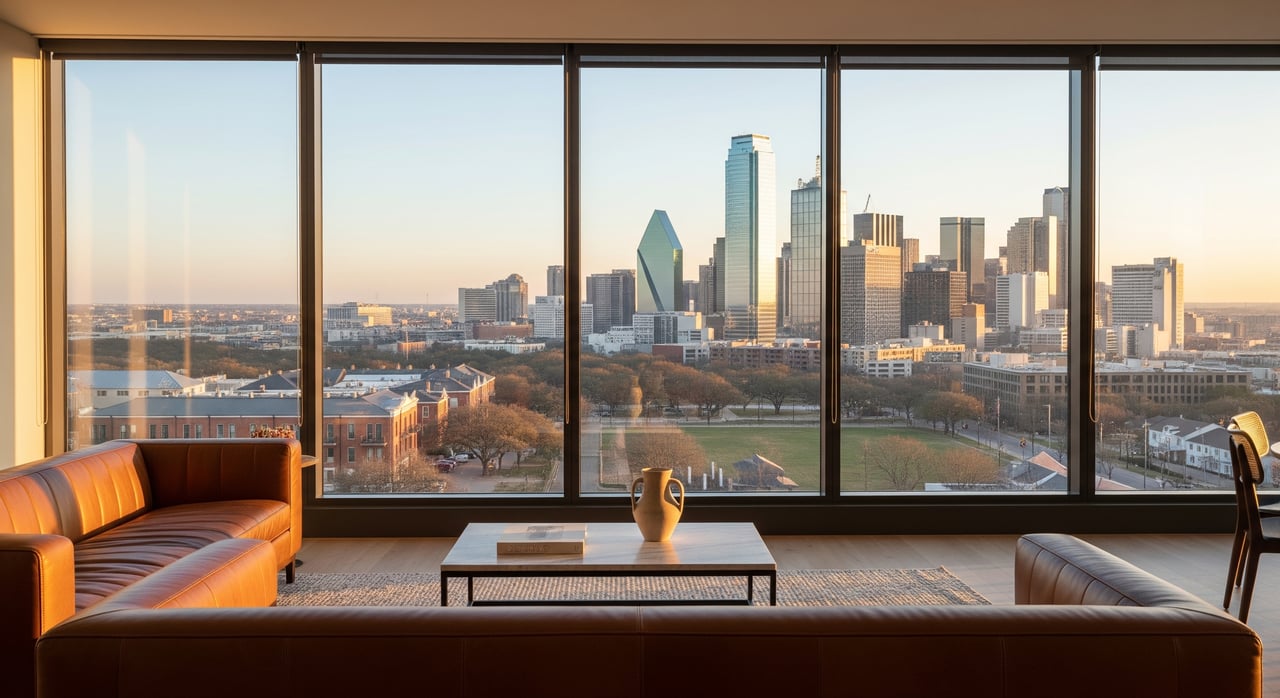
Is your everyday rhythm better suited to Fort Worth or Dallas? When you picture your week, you might see school drop-offs, a commute, dinner out, or a Saturday at a museum or park. Choosing the right city comes down to how you want those moments to feel. In this guide, you’ll learn how daily life compares across vibe, housing, commutes, and amenities, plus a quick checklist to make your decision simple. Let’s dive in.
Big-picture vibe
Fort Worth pace and feel
You’ll find a relaxed, community-forward pace with a strong Western identity. Many neighborhoods feature single-family homes with yards and a routine built around local fairs, farmers’ markets, and family events. Urban pockets like West 7th and Near Southside add lively dining and arts without a round-the-clock rush.
Dallas pace and feel
Dallas offers a more urban, fast-moving energy with a strong corporate and international presence. Walkable districts have late dining, diverse restaurants, and a wider nightlife scene. You’ll see more dense housing options near the core and a steady calendar of citywide cultural events.
Where they overlap
Both cities share the same metro footprint, so differences often come down to the neighborhood. Fort Worth has vibrant urban districts. Dallas also has quiet, residential areas and family-focused suburbs. Think in terms of specific neighborhoods rather than broad city labels.
Housing and neighborhoods
Fort Worth living
- Housing leans toward historic bungalows, ranch-style, and mid-century homes, plus new suburban single-family developments.
- Core districts like Near Southside, Fairmount, TCU-area, and West 7th mix renovated historic homes with townhomes and mid-rise condos.
- Larger households and families often cluster in suburban neighborhoods, while single professionals and young families gravitate to West 7th and Near Southside.
- Yard and porch culture is common, which supports outdoor hobbies and pets but adds routine yard care.
Dallas living
- Close-in areas offer high-rise condos (Uptown), lofts (Deep Ellum), and townhomes, with extensive single-family options farther out.
- Upscale neighborhoods like Highland Park and University Park feature larger, higher-priced single-family homes.
- Many single professionals and renters choose Uptown, Deep Ellum, or Lower Greenville; families are prevalent in inner-ring neighborhoods and northern suburbs.
- Walkable pockets like Uptown, Bishop Arts, and Oak Lawn place grocery, coffee, and nightlife within easy reach.
What this means for your day
- If you want a yard and a quieter block, Fort Worth’s single-family neighborhoods fit well.
- If you want to walk to dinner or the gym, certain Dallas districts make that easier.
- Historically, Fort Worth has been relatively more affordable for similar distances to downtown, but price gaps change by neighborhood. Always compare current listings by area before deciding.
Commutes and getting around
Driving patterns
- Both cities are car-first. Most residents drive to work and errands.
- Dallas job centers create heavier peak congestion and larger downtown parking demand.
- Fort Worth rush hours still exist but often feel more predictable for in-town routes.
- Cross-metro commuters frequently use I-30, I-20, I-35E/35W, or US-287 and should plan for variability.
Public transit basics
- Dallas: DART light rail and buses connect downtown, Uptown, and many inner suburbs. Transit works best when you live and work near stations.
- Fort Worth: Trinity Metro runs local buses and TEXRail to DFW Airport. TRE commuter rail links downtown Fort Worth and downtown Dallas on limited schedules.
- For many neighborhoods, a car still covers last-mile errands even if you use rail for the core of your commute.
Airports and travel
- DFW Airport sits between the cities and is the primary long-haul hub.
- Dallas Love Field, closer to Dallas’s core, offers many domestic routes.
- Your neighborhood choice can significantly change airport drive times, especially during peak periods.
Walking, biking, and scooters
- Walkable pockets exist in both cities: think Uptown and Bishop Arts in Dallas; Near Southside and West 7th in Fort Worth.
- Both cities continue to expand trails and micromobility access. Connectivity and bike-lane safety vary by area, so evaluate routes you’ll use most.
Everyday amenities
Dining and nightlife
- Dallas: broader fine dining, international cuisine, brunch culture, and more late-night options in Deep Ellum, Uptown, and Lower Greenville.
- Fort Worth: strong casual dining, barbecue and Tex-Mex staples, and a growing chef-driven scene in Near Southside and West 7th. Lively, but generally less frenetic late at night.
Arts and culture
- Dallas features major institutions like the Dallas Museum of Art and the Perot Museum, plus regular downtown programming and high-end shopping destinations.
- Fort Worth’s Cultural District includes the Kimbell Art Museum, Modern Art Museum of Fort Worth, and Amon Carter Museum, while the Stockyards provide Western-themed attractions and events.
Parks and outdoors
- Dallas highlights include Klyde Warren Park and White Rock Lake, with frequent urban park programming.
- Fort Worth offers Trinity Trails connections, the Fort Worth Botanic Garden, and large neighborhood parks, plus many homes with private outdoor space.
Shopping and daily services
- Dallas provides larger malls and specialty retail choices with a wider range of niche grocers.
- Fort Worth offers neighborhood retail centers, locally owned shops, and several major shopping areas, with big-box convenience common in nearby suburbs.
Quick decision checklist
Use this checklist to test each city against your daily routine:
- Commute: Where will you work and how will you get there? Drive, rail, or a mix?
- Essentials: Are grocery, childcare, medical, and fitness within a 10–20 minute drive or walk?
- Evenings: Do you want late-night restaurants and bars nearby or quiet streets after dinner?
- Outdoors: Do you want a private yard, nearby parks and trails, or active urban plazas?
- Home type: Condo or townhome convenience vs single-family space and maintenance.
- Schools and services: Review independent school district boundaries and local community resources for the neighborhoods you’re considering.
- Travel: How often will you fly, and what are drive times to DFW or Love Field from your target neighborhoods?
Who tends to choose what
- Prioritize a slower, family-first routine and a yard? Many Fort Worth neighborhoods and suburbs are a match.
- Want walkable nightlife and an urban lifestyle near corporate job centers? Look at Dallas pockets like Uptown, Deep Ellum, Bishop Arts, and Oak Lawn.
- Need frequent airport access or proximity to corporate campuses? Consider northern Dallas-area suburbs or locations with straightforward routes to DFW.
How a local guide helps
Choosing between Fort Worth and Dallas often comes down to a few streets, not just the city name. A local adviser can compare specific neighborhoods, commute routes, and home types side by side so you can see how your week will actually feel. If you’re weighing Fort Worth, Dallas pockets, or northern suburbs like Southlake, Colleyville, Westlake, or Trophy Club, you don’t have to figure it out alone.
Ready to map your routine to the right neighborhood and home? Reach out to Jennifer Frank for local guidance, on-the-ground tours, and a custom plan. Get your instant home valuation, preview private listings, and move forward with clarity.
FAQs
Is public transit viable for daily commuting in Dallas–Fort Worth?
- It can be, if your home and workplace are near DART, TRE, or TEXRail stations. Many neighborhoods still require a car for last-mile access.
Are homes generally more affordable in Fort Worth than Dallas?
- Historically Fort Worth has been relatively more affordable for similar distances to downtown, but neighborhood-level prices change. Compare current listings before deciding.
How does nightlife differ between Fort Worth and Dallas?
- Dallas has a larger, later-night scene across several districts. Fort Worth’s options are lively and growing, with a strong casual dining culture and a more relaxed late-night pace.
What’s the typical commute like within each city?
- Dallas drivers often face heavier peak congestion near major job centers. Fort Worth commutes within the city can feel shorter or more predictable, depending on your route.
How should I factor airport access into my decision?
- DFW sits between both cities and Love Field is closer to Dallas. Your neighborhood choice can change drive times significantly, so test your route at peak hours.