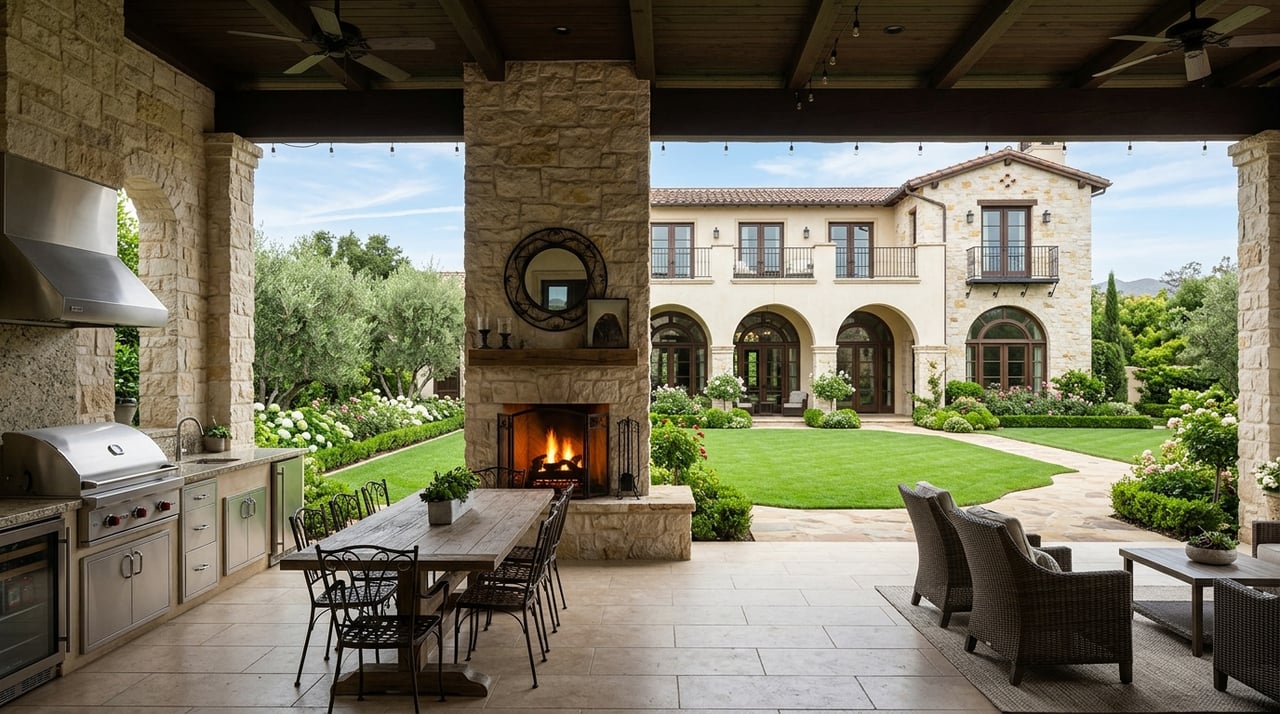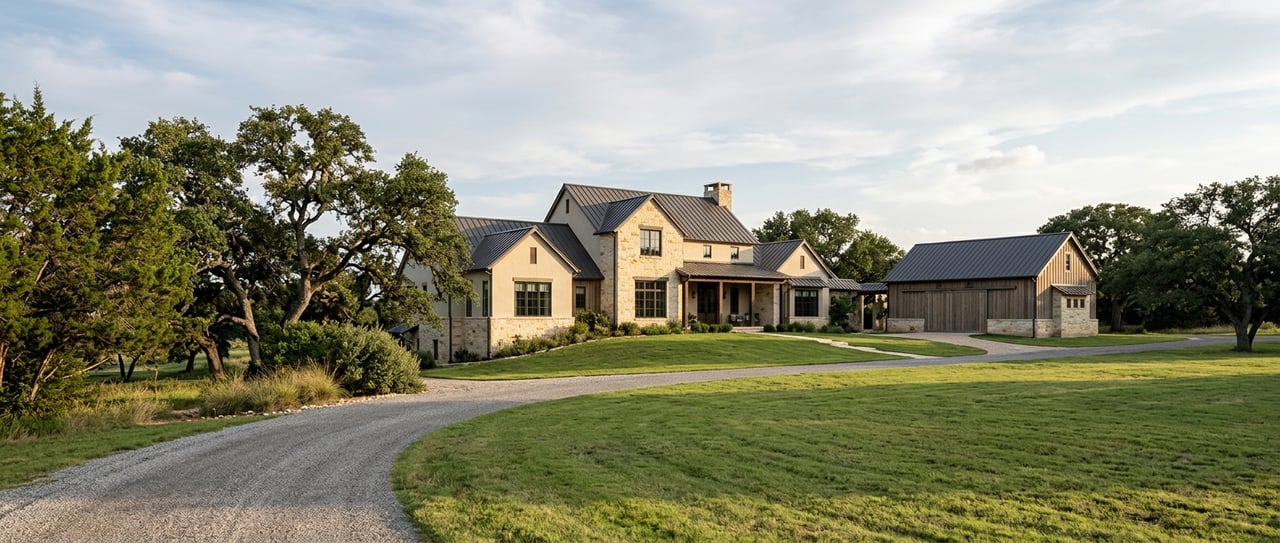
Dreaming about a few acres, a barn, and enough room to spread out? A North Texas hobby farm can be a rewarding lifestyle move, but it is not quite the same as simply buying a house with land. If you are thinking about trading a neighborhood lot for pasture, livestock, or a more hands-on property, it helps to know what daily life really involves. This guide will help you weigh the pros, responsibilities, and key questions so you can decide whether a hobby farm fits your goals. Let’s dive in.
What a hobby farm means in North Texas
In North Texas, a hobby farm usually appeals to buyers who want space, privacy, recreation, and the experience of caring for land without operating a full-time commercial ranch. Texas A&M AgriLife notes that small properties are increasing statewide, which is one reason small-acreage ownership has become more common.
In practical terms, many buyers picture a home on several acres with usable pasture, fencing, a water source, and simple storage or handling space. AgriLife’s guidance for small-acreage landowners repeatedly focuses on basics like forage, water, fences, and pens, which tells you these features matter more than the postcard image alone. Before you buy, it helps to think about function first and aesthetics second.
Why buyers love hobby-farm living
A hobby farm can offer a lifestyle that is hard to match in a more traditional setting. You may enjoy more privacy, room for outdoor projects, flexible space for animals, and a stronger connection to the land around you.
For many buyers, the appeal is not just acreage. It is the chance to create a property that supports your routines and interests, whether that means gardening, keeping a few animals, storing equipment, or simply having elbow room. If that sounds like your ideal pace, a hobby farm may be worth a closer look.
North Texas climate matters
North Texas weather plays a big role in how a hobby farm functions year-round. According to the National Weather Service Dallas/Fort Worth climate overview, the region has a humid subtropical climate with hot summers, uneven precipitation, and regular severe weather risks including hail, flooding, and tornadoes.
NOAA’s 1991 to 2020 normals for Dallas/Fort Worth show an annual mean temperature of 66.6°F, annual precipitation of 37.01 inches, about 20 days of 100°F or higher per year, and around 29 freezes per season. That means your property search should include practical questions about shade, drainage, water access, and weather resilience, not just acreage totals.
Summer heat and water planning
Hot weather increases water demand for both land and livestock. AgriLife explains that overgrazing can reduce forage, increase runoff and erosion, and force owners to rely more heavily on hay or supplemental feed. Day-to-day management can also include monitoring water supply and providing salt or mineral supplements.
If you love the idea of livestock, this is one of the biggest reality checks. The land has to support the animals, and the animals need steady care through heat, dry stretches, and seasonal changes.
Wells need attention too
If a property depends on a private well, you will also want to consider water quality and maintenance. The Texas Well Owner Network notes that private well owners are responsible for checking and maintaining water quality.
That does not automatically make a well a problem. It simply means a rural property often comes with systems you will need to understand and manage over time.
Livestock on small acreage: the real picture
Many buyers assume a few acres automatically means they can keep several animals comfortably. In reality, stocking rate is one of the most commonly underestimated parts of hobby-farm ownership. AgriLife says small-acreage landowners often overestimate carrying capacity, and every property differs based on soil, topography, and plant cover.
That is why it is smart to evaluate the land based on what it can realistically produce, not what you hope to place on it. AgriLife recommends getting help from a county Extension agent or NRCS to estimate forage production and carrying capacity for a specific property.
Animals often suited to smaller tracts
According to AgriLife, some livestock enterprises that may fit small acreages better include:
- Stocker calves
- Meat goats
- Hair sheep
These options can work with relatively minimal facilities, labor, and animal-husbandry expertise compared with larger-scale operations. Even so, the land still needs to provide enough forage to support them without constant supplementation.
Fencing and predator concerns
Livestock setup matters just as much as animal choice. AgriLife notes that predators are a major issue for goats and sheep, and barbed wire alone is not adequate perimeter fencing for those animals.
The same guide points to the importance of net-wire fencing, separate working pens, and other basic handling facilities. It also notes that electric fencing is generally better for internal partitions than perimeter protection. If a property looks charming but lacks usable infrastructure, your startup costs can rise quickly.
Costs people often underestimate
A hobby farm can feel relaxed, but it is still an operating property. AgriLife lists feed, hay, health care, fences, equipment, water-system maintenance, utilities, and hired labor as part of the overall cost picture.
That means your budget should go beyond the mortgage and down payment. You will want room for repairs, seasonal upkeep, and the basic systems that keep the property functioning well. For many buyers, this is the difference between a rewarding purchase and a stressful one.
Rules to check before you buy
Rural properties come with rules and local standards that are not always obvious during an online search. Before you commit, make sure you understand the legal and tax side of the property as clearly as the land itself.
Fence law varies by location
Texas fence law is not the same everywhere. AgriLife explains in its open-range and closed-range guidance that stock-law status can vary by county or even precinct, so buyers should confirm local rules with the county clerk or sheriff.
The same guidance also notes that interstate and state highways are closed range statewide, so livestock may not be knowingly allowed to roam on highway right-of-way. This is one more reason local due diligence matters with farm and ranch real estate.
Agricultural appraisal is not automatic
Some buyers assume acreage automatically comes with lower property taxes through agricultural valuation. That is not how Texas agricultural appraisal works. The Texas Comptroller says land must be currently devoted principally to agricultural use, meet locally accepted intensity standards, and generally have been devoted to agricultural or timber production for at least five of the past seven years.
If land changes to a non-agricultural use, rollback taxes can apply. AgriLife also warns that keeping an animal as a family pet is not enough for tax-exemption purposes. If agricultural valuation is important to your decision, it is worth verifying the property’s current status and what would be required going forward.
A simple checklist for buyers
If you are considering a North Texas hobby farm, here are a few smart questions to ask before making an offer:
- How much of the acreage is truly usable?
- Is there a reliable water source for the home, land, and animals?
- What type of fencing is already in place?
- Are there pens, storage areas, or handling facilities?
- How does the land drain after heavy rain?
- What does summer shade look like across the property?
- If there is a well, what is known about its quality and maintenance?
- What are the local stock-law or fencing rules?
- Does the property currently have agricultural appraisal, and why?
- What level of ongoing maintenance will fit your schedule and budget?
Who a hobby farm fits best
A North Texas hobby farm is often a strong fit if you enjoy hands-on property care, want more room to live and work, and are comfortable budgeting for infrastructure like fences and water systems. It can also be a good match if you are realistic about weather, forage limits, and the time needed to manage the land well.
On the other hand, it may be a weaker fit if you want low-maintenance acreage or expect the property to generate immediate income. In many cases, the best way to think about a hobby farm is not as a weekend escape, but as a small operating property that rewards consistency and planning.
How to shop smarter for North Texas land
When you tour farm and ranch properties, try to look past the view for a moment and focus on the property systems. Water, fencing, access, pasture condition, and usable improvements often tell you more than a listing description can.
This is also where working with someone who understands North Texas land can make a real difference. If you are exploring hobby farms, acreage, or rural property in North Texas, Jennifer Frank can help you evaluate listings with a practical eye and guide you toward land that fits your lifestyle, budget, and long-term plans.
FAQs
What is a hobby farm in North Texas?
- A hobby farm in North Texas usually means a small-acreage property used for space, recreation, land stewardship, or limited livestock activity rather than a full-time commercial ranch operation.
How much weather risk should North Texas hobby-farm buyers expect?
- North Texas buyers should plan for hot summers, uneven rainfall, freezes, and severe weather risks such as hail, flooding, and tornadoes, all of which can affect land use and property maintenance.
Can small North Texas properties support livestock?
- Some can, but carrying capacity varies by soil, topography, plant cover, and forage production, so it is important to evaluate each property individually.
Do North Texas hobby farms automatically qualify for ag exemption?
- No. Texas agricultural appraisal is based on actual agricultural use, local intensity standards, and qualifying history, not simply on owning acreage.
What should buyers inspect first on a North Texas hobby farm?
- Buyers should closely review water sources, fencing, pasture condition, drainage, access, and any existing pens or storage improvements before deciding whether a property is the right fit.
Are private wells common on rural North Texas properties?
- They can be, and when a property uses a private well, the owner is responsible for monitoring and maintaining water quality.