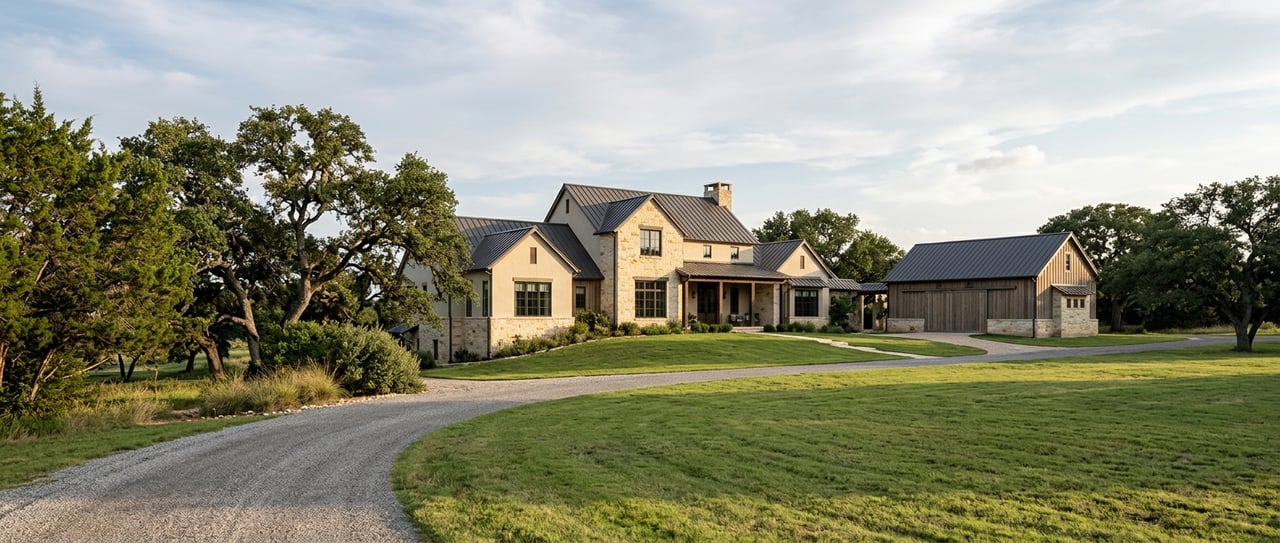
Thinking about buying acreage near Fort Worth? It can be exciting to picture wide-open space, a future homesite, or even a small hobby operation, but land purchases work differently than buying a typical house in town. If you are a first-time acreage buyer, the right questions about access, taxes, water, and financing can save you from expensive surprises later. This guide will help you understand what to look for and how to move forward with confidence. Let’s dive in.
Why Fort Worth-Area Acreage Stands Apart
Acreage near Fort Worth is not valued only for a house site. Buyers often look at land as a future homesite, hobby farm, recreational property, or long-term investment. That wider range of uses can make land buying more complex, especially when you are comparing one tract to another.
Location plays a major role in value. According to the USDA Economic Research Service farmland value framework, land value is shaped by both broad market forces and property-specific features such as soil quality, amenities, and proximity to urban areas. Near Fort Worth, that urban proximity can be a meaningful factor.
Statewide numbers can offer context, but they are only a starting point. The Texas Real Estate Research Center’s 4Q2025 rural land market report reported an average of $5,214 per acre statewide, up 6.56% year over year, while also noting that broad averages are not a substitute for a tract-specific appraisal or current local sales analysis.
Start With Your Land Goals
Before you tour properties, decide what the acreage needs to do for you. That one step can shape your budget, financing path, and due diligence checklist. It can also help you avoid falling in love with a property that does not support your real plans.
Ask yourself whether you want the land primarily for:
- A custom home site
- A hobby farm
- Recreation or weekend use
- A long-term land investment
- A farm or ranch operation
Two tracts with similar price tags may function very differently. One may have strong access and utility options, while another may come with tax benefits or restrictions tied to current land use. When you know your end goal, it becomes much easier to spot the right fit.
Understand Taxes Before You Buy
One of the biggest mistakes first-time acreage buyers make is focusing only on the purchase price. With land, your long-term carrying cost matters just as much. Property taxes can vary significantly depending on how the land is appraised.
Productivity Value vs. Market Value
In Texas, qualifying agricultural open-space land and timberland may be appraised based on productivity value instead of market value. The Texas Comptroller explains that appraisal districts consider local agricultural trends, income and expense data, property characteristics, and land use when calculating that value.
That difference can matter a lot to your monthly and annual costs. A tract that qualifies for agricultural appraisal may carry a much different tax burden than a similar-looking tract that does not.
How Ag Appraisal Qualification Works
The Texas Comptroller’s agricultural appraisal guidance says land generally must have been devoted to agricultural or timber production for at least five of the past seven years to qualify. If the property is inside an incorporated city or town, additional criteria also apply.
That means you should never assume a rural-looking property automatically qualifies. You will want to verify the use history and talk through the current classification early in the process.
Watch for Rollback Taxes
If land receiving agricultural appraisal changes to a non-agricultural use, the owner may owe a rollback tax for the previous three years. The Comptroller notes that this is based on the difference between taxes paid at productivity value and what would have been paid at market value.
For example, if you plan to change how the land is used, that possibility needs to be part of your budget planning. It is one more reason acreage buyers benefit from careful review before closing.
Match Financing to the Property
Financing acreage is not always the same as financing a standard home purchase. The loan program needs to fit the property’s actual use, and in some cases, whether there is a dwelling on the property matters as much as the land itself.
When a USDA Home Loan May Fit
If the property includes a dwelling in an eligible rural area and you meet program requirements, the USDA Section 502 Guaranteed Loan Program may allow 100% financing. USDA says borrowers must meet income eligibility rules, occupy the home as a primary residence, and buy in an eligible rural area.
USDA also notes that there are no set acreage limits, but the property cannot be income-producing. That is an important detail for buyers looking at land that may also have agricultural or business use.
When a Farm Ownership Loan May Fit
If the purchase is truly for a farm or ranch operation, the USDA FSA Direct Farm Ownership Loan program may be more relevant. FSA says these loans can help eligible borrowers purchase or enlarge family farms, improve farm dwellings or facilities, support soil and water conservation, and cover some closing costs.
For eligible beginning farmers and ranchers, the program includes a down payment option that requires a minimum 5% cash down payment. FSA also says applicants should bring a signed purchase option or contract to buy when applying.
Why Early Lender Conversations Matter
Because acreage financing can depend on intended use, legal description, and whether the property includes a residence, it helps to speak with lenders early. That way, you can narrow your search to tracts that align with your financing options rather than discovering a mismatch late in the process.
Due Diligence That Matters Most
Scenic views and open space can make a property feel like the perfect fit. Still, due diligence is often what determines whether a tract is truly workable. For beginners, this is where the right support can make all the difference.
Verify Legal Access
If a tract is landlocked, that can be a serious issue. According to Texas A&M AgriLife’s Texas landowner guide, there is no automatic right to access landlocked property, title companies are usually unwilling to insure it, and lenders are very unlikely to finance it.
The cleanest solution is an express easement that is written, signed, clearly identified, and recorded in county deed records. If a seller tells you access is fine, make sure the recorded documents support that statement.
Review Title, Easements, and Reservations
Acreage can come with more title complexity than a typical residential lot. AgriLife notes that deed records should be reviewed for reservations, easements, and other encumbrances, and that title insurance commitments generally do not determine or insure mineral ownership.
Texas land can also have severed mineral and groundwater estates. In practical terms, that means surface ownership may not include every right you assume comes with the property.
Understand Mineral and Groundwater Rights
AgriLife explains that mineral estates are dominant over the surface estate, and severed groundwater estates can also be dominant. Depending on the deed and any agreements in place, a surface owner may need to accommodate some mineral or groundwater uses.
For a first-time buyer, this is worth reviewing carefully before closing. It is much better to understand these rights upfront than to discover limitations after you take ownership.
Check Water Options
If the property relies on a private well, water due diligence matters. The Texas Water Development Board says Texas does not regulate the water quality of private wells, which means the owner is responsible for addressing any issues.
TWDB recommends testing, and testing costs can range from a basic bacteria test to a full drinking-water analysis. If the property is within a groundwater conservation district, you should also review any applicable district rules.
Plan for Septic If Needed
If municipal sewer is not available, an on-site sewage facility may be required. The Texas Commission on Environmental Quality says permits are required for these systems, and a preconstruction site evaluation by a licensed site evaluator or professional engineer should include a survey of the lot and a soil analysis in the proposed disposal area.
This step can directly affect where and how you build. That is why septic feasibility should be part of your due diligence, not an afterthought.
Review Flood Maps and Drainage
Flood risk is another key checkpoint for acreage. FEMA states that the Flood Map Service Center is the official source for flood hazard maps and reminds property owners that floods can happen almost anywhere.
On acreage, look beyond the map itself. Creeks, drainage paths, low spots, and potential build sites all deserve close review before closing.
A Simple Beginner Checklist
If you want a practical starting point, use this checklist as you evaluate acreage near Fort Worth:
- Define your intended use for the property
- Confirm whether the tract supports that use
- Review current tax appraisal status and use history
- Ask whether a change in use could trigger rollback taxes
- Talk with lenders about the right loan type early
- Verify recorded legal access
- Review title documents, easements, and reservations
- Check whether mineral or groundwater rights are severed
- Investigate well needs and water testing options
- Confirm septic permitting and soil evaluation requirements
- Review flood maps, drainage, and buildable areas
Why the Right Guidance Helps
Acreage purchases often bring together title questions, access issues, tax classification, water review, septic planning, and financing details all at once. That is why working with a land-savvy real estate professional can make the process smoother and more informed.
If you are exploring farm and ranch real estate in North Texas, having local guidance matters. From Fort Worth-area proximity factors to tract-specific due diligence, the goal is not just to find beautiful land. It is to help you buy a property that truly fits your plans. When you are ready to explore acreage with a local expert, connect with Jennifer Frank.
FAQs
What should first-time buyers know about acreage near Fort Worth?
- Acreage near Fort Worth is often valued for multiple possible uses, including a homesite, hobby farm, recreation, or long-term investment, so you should match the property to your actual goals before you buy.
How can buyers check if Texas land qualifies for ag appraisal?
- Buyers should verify the tract’s use history and review the Texas Comptroller’s ag appraisal rules, including the general requirement that land be devoted to qualifying use for at least five of the past seven years.
What financing options may work for buying acreage in Texas?
- Depending on the property, buyers may look at a USDA home loan for an eligible primary residence in a qualifying rural area or a USDA FSA farm ownership loan for a farm or ranch operation.
Why is legal access important when buying rural land?
- Recorded legal access matters because landlocked property has no automatic right of access, and that can create major title and financing problems.
Do buyers need to test private wells on acreage in Texas?
- Yes, if a property uses a private well, testing is important because the Texas Water Development Board says private well water quality is the owner’s responsibility.
What should buyers know about septic systems on Texas acreage?
- If municipal sewer is unavailable, buyers may need an on-site sewage facility, and TCEQ requires permitting plus a site evaluation and soil analysis before installation.