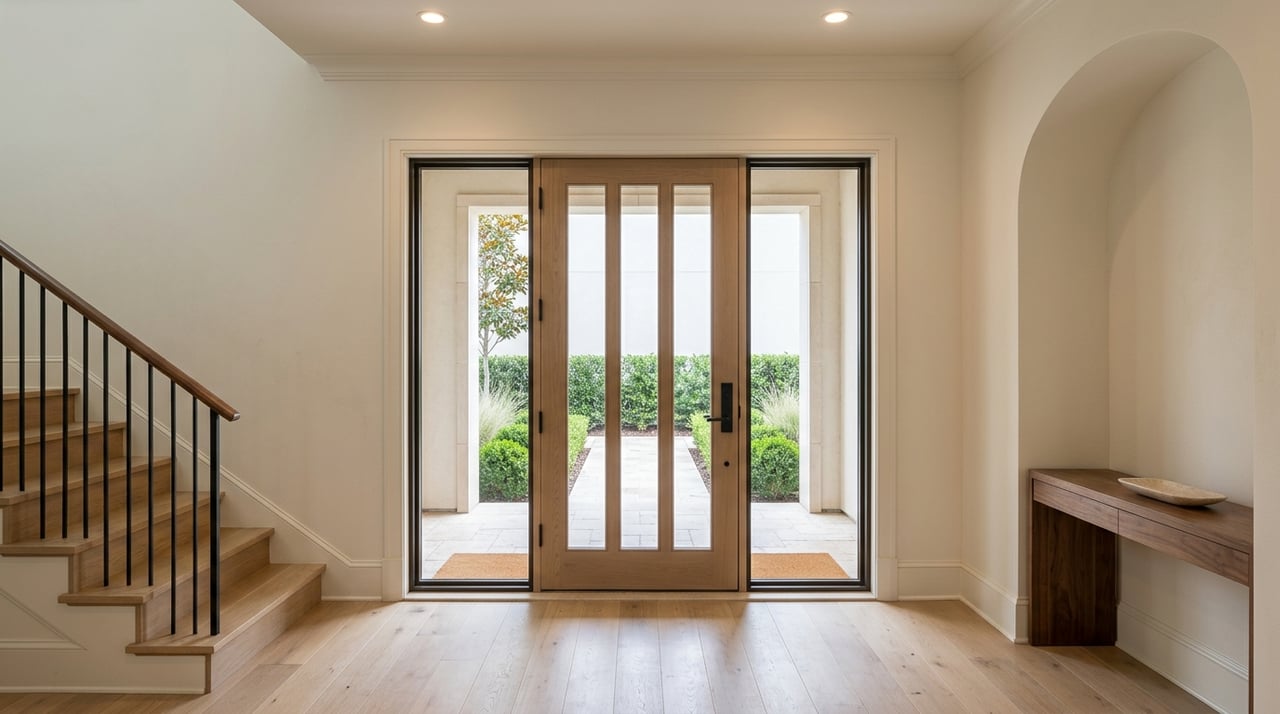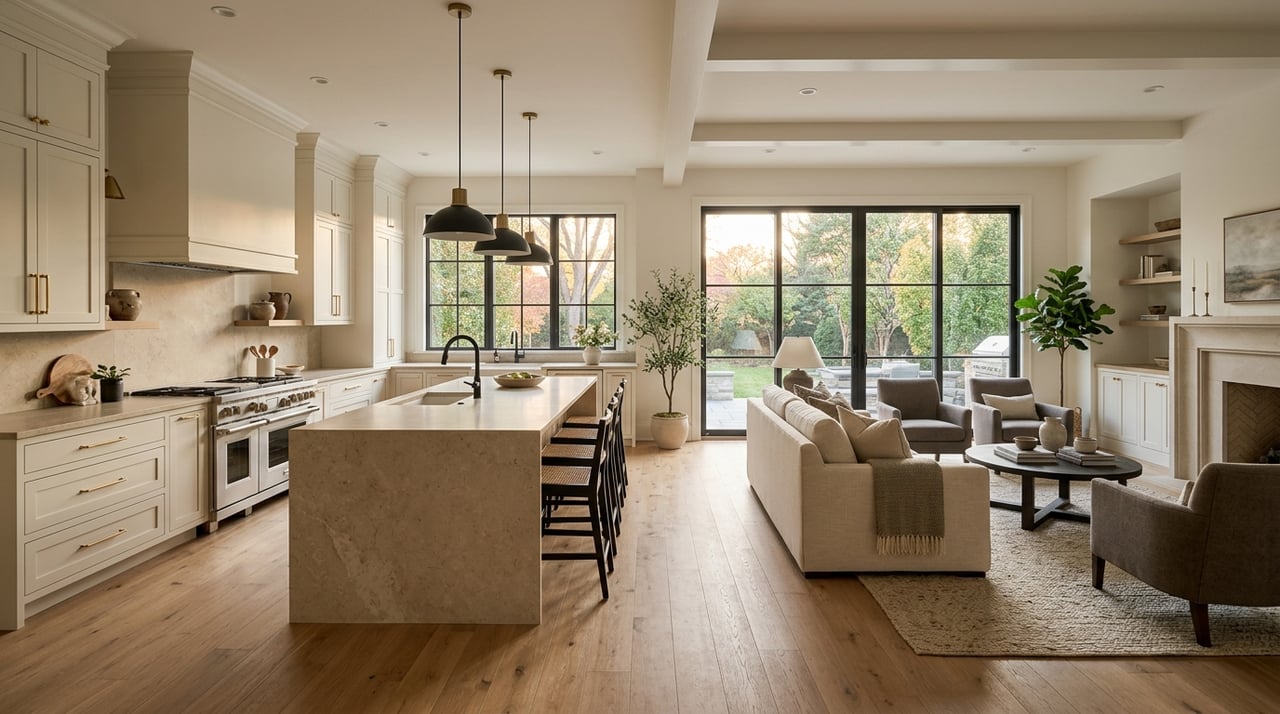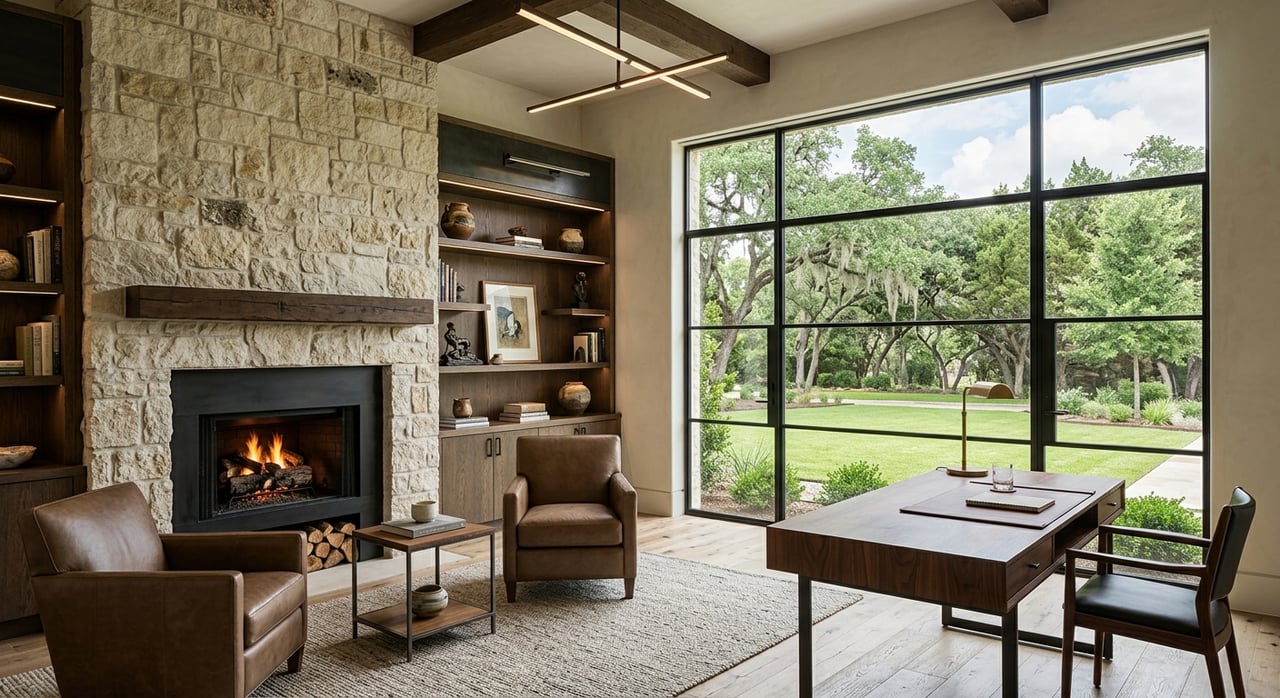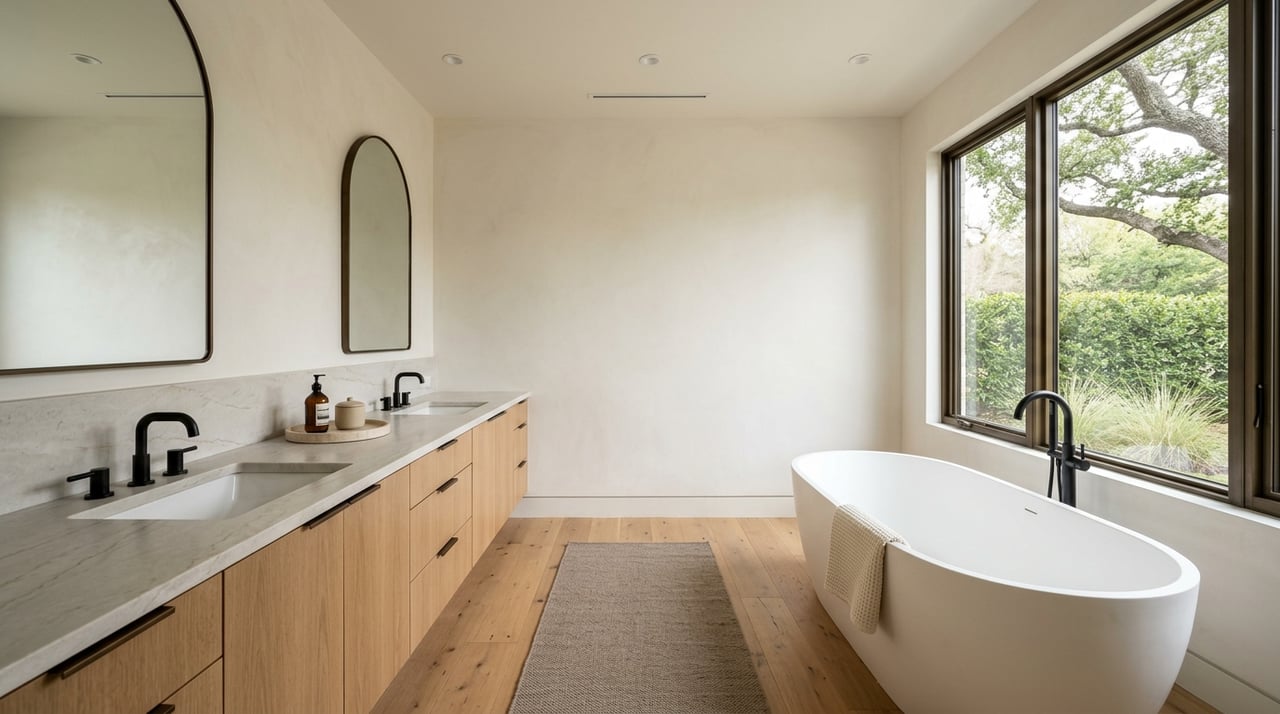
When you sell in Trophy Club, first impressions are not just important, they do a lot of the heavy lifting. In a town with high owner occupancy, strong home values, and a lifestyle tied to parks, golf, and polished streetscapes, buyers notice presentation right away. If you want your home to stand out, staging and marketing need to work together from day one. Let’s dive in.
Why presentation matters in Trophy Club
Trophy Club’s market gives you a clear clue about what buyers expect. Census data shows a median owner-occupied home value of $617,000 and an owner-occupied housing rate of 89.1%, which points to a market where buyers often expect homes to feel well cared for and move-in ready.
That matters because staging is not just about making a house look nice. It helps buyers picture how they would live in the home. According to the 2025 NAR staging report, 83% of buyers’ agents said staging made it easier for buyers to visualize the property as their future home.
In Trophy Club and nearby Westlake, that visualization often goes beyond furniture placement. Buyers are also responding to the lifestyle story, including outdoor living, curb appeal, and clean, polished spaces that fit the look and feel of these master-planned communities.
Start with the rooms buyers notice most
You do not need to stage every inch of the house at the same level. Focus first on the rooms that have the biggest impact on how buyers feel when they walk through the home or scroll through listing photos.
NAR reports that buyers’ agents ranked these rooms as the most important to stage:
- Living room
- Primary bedroom
- Kitchen
On the seller side, the most commonly staged spaces were:
- Living room
- Primary bedroom
- Dining room
That gives you a smart order of operations. If you want the best return on your prep time, start with the main gathering spaces and the rooms that shape a buyer’s emotional first impression.
Stage the living room for space and flow
Your living room should feel open, bright, and easy to understand at a glance. Remove extra furniture, clear visual clutter, and create a layout that shows how the room functions without making it feel crowded.
In many Trophy Club homes, the living room connects to the kitchen or opens to outdoor areas. That means staging should highlight the flow between spaces. Clean sightlines and simple decor help buyers notice the home itself instead of your belongings.
Make the primary bedroom feel restful
The primary bedroom should read as calm and comfortable. Use simple bedding, clear nightstands, and minimal personal items so the room feels spacious rather than overly styled.
This is also the place to address small distractions. Scuffed paint, worn rugs, heavy window treatments, or oversized furniture can make the room feel smaller. A clean, neutral setup gives buyers a better sense of scale and helps the room photograph well.
Keep the kitchen polished and current
You do not always need a full remodel to improve kitchen appeal. Often, a deep clean, clear counters, updated hardware, and better lighting can make a big difference.
Buyers tend to study kitchens closely in person and online. Since photos and detailed property information are especially useful during the search process, your kitchen should feel clean, bright, and functional in every image.
Use the dining room strategically
If your home has a formal dining room, stage it with purpose. In larger homes, this room helps buyers understand how the square footage lives day to day and during gatherings.
Keep the table scaled to the room and avoid heavy decor. You want the space to feel flexible, elegant, and easy to imagine using.
Curb appeal matters more here
In Trophy Club, buyers are not only evaluating the house. They are also reacting to the street, the setting, and how the property fits into the larger community feel. Since the town is known for parks, golf, and a master-planned layout, exterior presentation carries extra weight.
That means your front yard should look intentional and well maintained before photos are taken or showings begin. Clean up anything that pulls attention away from the home itself.
Focus on visible basics such as:
- Freshly cut grass and trimmed edges
- Weed-free planting beds
- Swept walkways and clean entry areas
- Repaired or straightened fencing where visible
- Removal of trash, excess items, or unused equipment
- Clear driveway and front approach
Trophy Club code enforcement identifies high grass and weeds, broken fences, trash, junked vehicles, and signs among common issues. Even when a property is otherwise beautiful, these details can hurt the overall impression from the street.
Do not forget outdoor living
Outdoor areas can be a real selling point in Trophy Club and Westlake because they support the local lifestyle buyers are often looking for. Patios, covered seating areas, pools, and golf-course-facing spaces should feel clean, usable, and easy to picture enjoying.
Treat outdoor staging like an extension of the interior. Wipe down furniture, remove worn accessories, and create simple seating groupings that suggest how the space functions. The goal is not to overdecorate. It is to make the area feel ready to enjoy.
Pair staging with a media-first launch
A polished home still needs strong marketing to reach buyers where they are actually searching. NAR’s 2024 buyer and seller highlights found that all buyers used the internet in their home search, 43% started online, and 51% found the home they bought online. It also found that 69% used mobile or tablet devices.
That means your listing has to perform on a screen before it can perform in person. In a market like Trophy Club, where most households have a computer and broadband access, digital presentation is especially important.
Professional photos are essential
Photos are one of the most valuable parts of a listing. NAR’s 2025 staging report found that buyers’ agents rated listing photos as especially important, and sellers’ agents said photos mattered most to clients as well.
Professional photography should capture both the home’s features and its overall feel. That includes strong exterior shots, bright interior images, and angles that show scale, layout, and natural light.
Video adds context and emotion
A polished property video can help buyers understand how the spaces connect. This matters in homes with open floor plans, outdoor entertaining areas, or design features that are hard to convey in still images alone.
Video also helps create a stronger first impression before a showing is scheduled. In a premium market, that added context can support better engagement from serious buyers.
Floor plans and virtual tours help buyers qualify interest
Buyers say detailed property information and floor plans are useful, and virtual tours also rank among valuable marketing tools. These assets help buyers understand the home before they visit.
That can be especially helpful for relocation buyers or busy move-up buyers comparing multiple properties online. The clearer your presentation, the easier it is for the right buyer to decide your home deserves an in-person visit.
Open houses should support, not lead
Open houses still have a role, but they should not carry the whole campaign. NAR found that only 23% of buyers rated open houses as very useful.
That is why the strongest strategy usually starts with staging, photography, video, and a coordinated online listing launch. If an open house is part of the plan, it should build on strong digital momentum rather than replace it.
Stay aware of local sign and promotion rules
Marketing a home in this area also means paying attention to local rules. In Westlake, temporary real estate signs are regulated by town ordinance. Rules include limits on the number of signs per property frontage, size restrictions, content limits, and removal requirements once the property is sold or leased.
Westlake also notes that additional ordinances may apply in planned development districts, so sign plans should be checked before launch. In Trophy Club, code enforcement also lists signs among common violations, and the town’s No-Knock Address Registry affects door-to-door solicitation and handbill delivery for registered homes.
The takeaway is simple: polished marketing should also be compliant marketing. Before placing signs or planning print drop campaigns, make sure the approach fits town and HOA requirements.
What a smart Trophy Club prep plan looks like
If you are getting ready to sell, a practical plan usually works better than trying to do everything at once. Focus on the updates that improve buyer perception, support photography, and help the home feel move-in ready.
A strong prep plan often includes:
- Decluttering and depersonalizing key rooms
- Cleaning and minor repairs
- Staging the living room, primary bedroom, kitchen, and dining room
- Refreshing curb appeal and outdoor living spaces
- Scheduling professional photos and video
- Confirming any sign or promotional rules before launch
NAR’s 2025 staging report found median staging spend at $1,500 when using a staging service and $500 when the seller’s agent staged the home. The right level of prep depends on the property, but the data shows staging is a mainstream selling tool, not an extra reserved for hard-to-sell homes.
If you want to sell a Trophy Club home with less guesswork, the best approach is a tailored one. Every home has different strengths, and the right staging and marketing plan should bring those strengths forward in a way that feels polished, local, and strategic. When you are ready for expert guidance and modern marketing support, connect with Jennifer Frank.
FAQs
What rooms should you stage first in a Trophy Club home?
- Start with the living room, primary bedroom, and kitchen, then add the dining room if it plays an important role in the home’s layout.
Why is curb appeal important when selling a Trophy Club house?
- Trophy Club’s master-planned setting, parks, golf identity, and visible code standards make exterior presentation a major part of a buyer’s first impression.
How important are listing photos for Trophy Club real estate marketing?
- Listing photos are one of the most important marketing tools because buyers heavily rely on online search and use photos to decide which homes to visit.
Do open houses matter when selling a home in Trophy Club?
- Yes, but they usually work best as support for a strong digital launch rather than as the main marketing strategy.
Are there sign rules to know about near Trophy Club and Westlake listings?
- Yes, local rules may limit signage and promotional activity, so it is important to check town and HOA requirements before placing signs or planning in-person promotion.